






































In this article
The background looks beautiful. The lighting looks expensive. Then someone notices that the product has a different opening, a cleaner edge or an accessory that is not included. The image has stopped being a styling choice and started changing what the customer thinks they are buying.
That is the central challenge of AI product photography. The goal is not simply an attractive image. It is an attractive, useful image of the correct item.
What can change when you generate a product scene?
Adobe’s product-scene tools describe using uploaded product imagery to create a setting. The distinction between the item and the setting is a helpful starting point for a brief. Decide what can be styled and what must remain faithful.
A new backdrop may be appropriate. A newly invented cable port, ingredient, texture or package size may not be. Specify the protected product details before production, rather than hoping the reviewer will remember every feature at the end.
Which product details deserve a separate accuracy check?
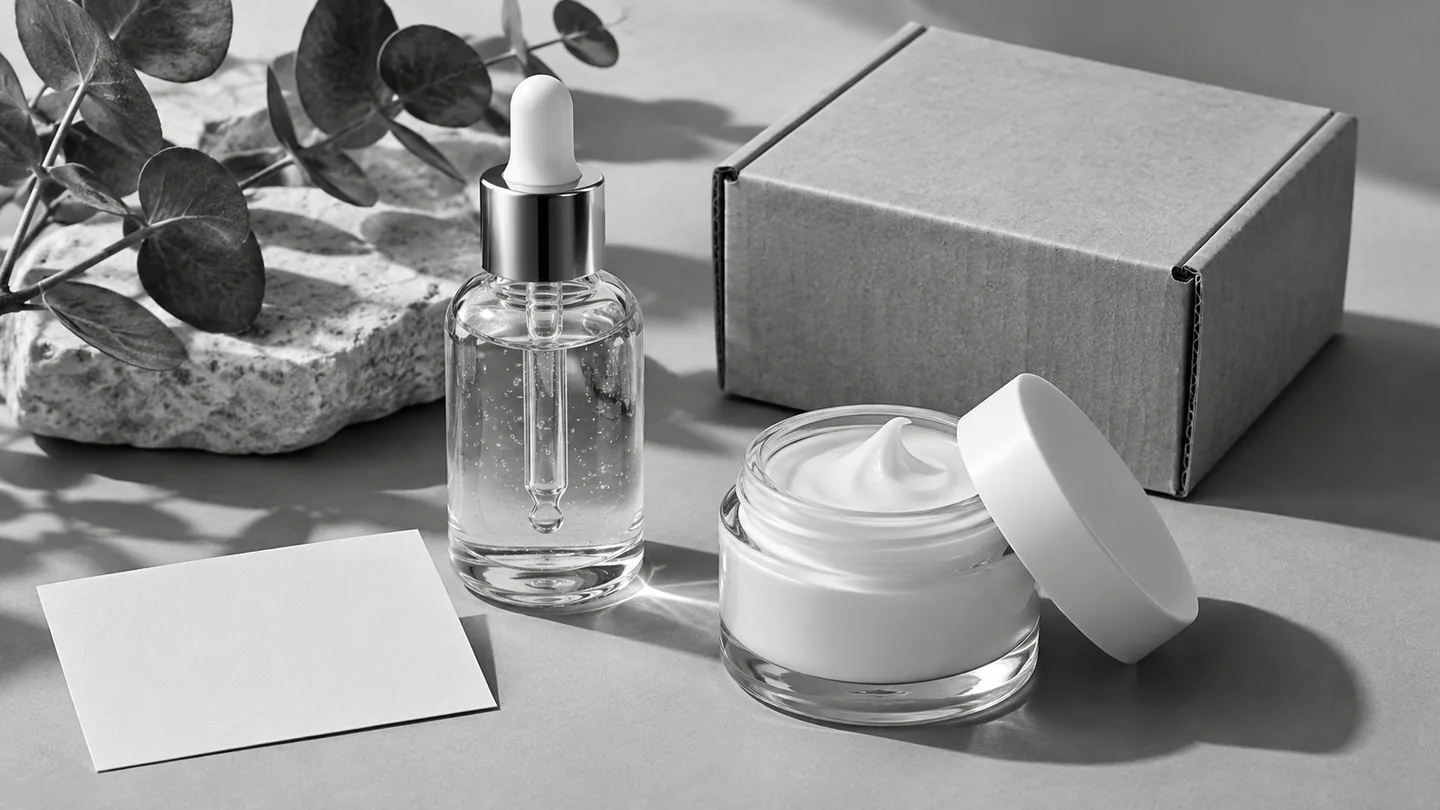
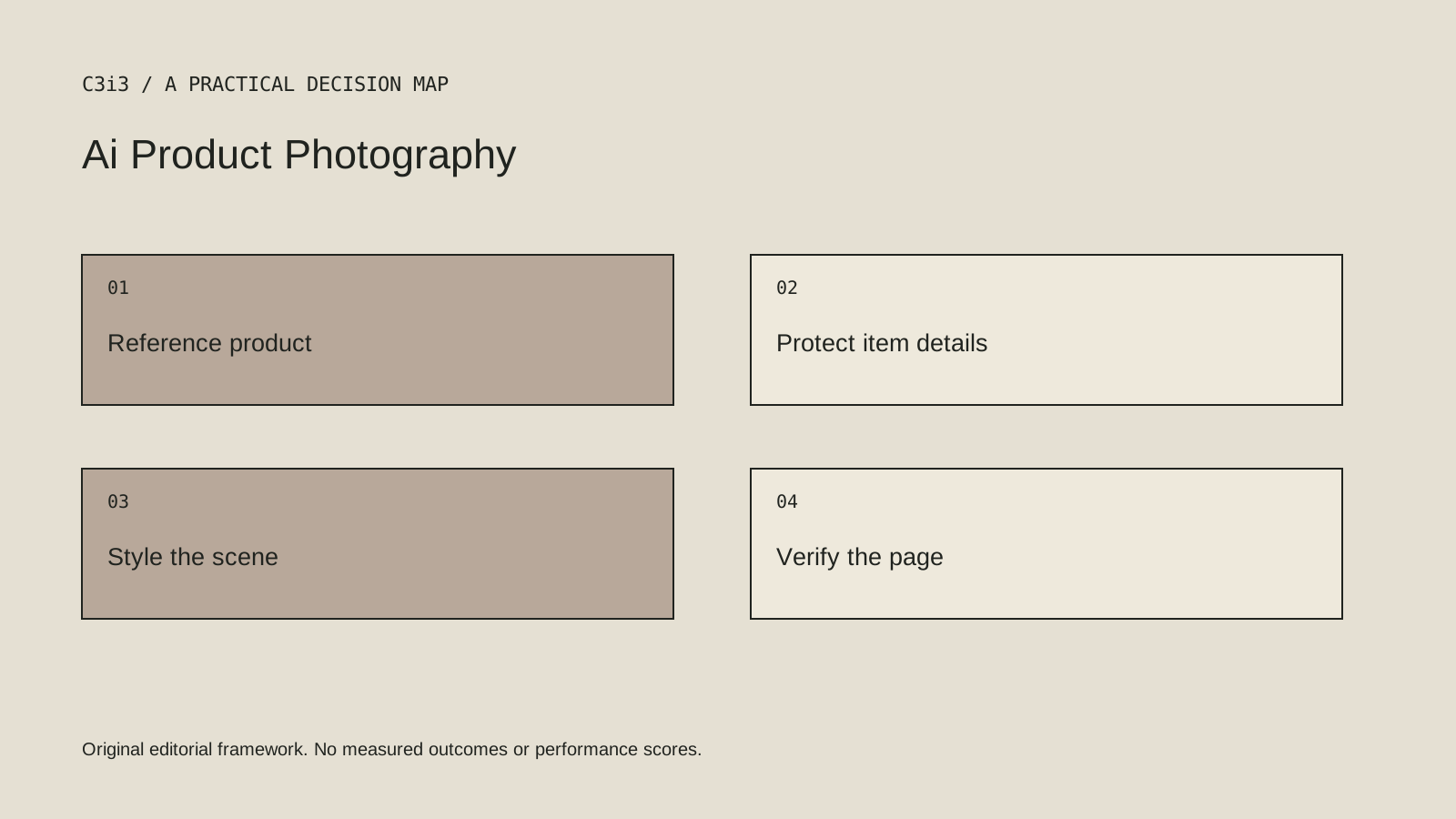
Create a short visual inventory: shape, proportions, color, label, included items and any feature that influences the purchase. Use approved reference photographs or the actual item when checking it. Do not rely on a memory of the product.
For a reflective bottle, for example, a change in highlight is different from a change in the shape of the closure. For clothing, changing the cut or construction can alter the buying decision. Write the issue in concrete terms so the correction is understandable.
Can a disclosure fix an inaccurate image?
The FTC explains that advertising claims can be communicated through pictures as well as words. A small AI label does not turn a false depiction into a faithful product image. The relevant question is what a reasonable customer would understand from the whole presentation.
Use a disclosure where the illustrative nature matters, but correct the depiction itself when it changes the offer. A generated lifestyle scene and a factual product photograph have different jobs. Make that distinction clear in the page composition.
How should your product page combine the images?
Give the customer an unambiguous reference view before relying on mood. Show the actual product, useful details and the information needed to evaluate it. A styled scene can then help establish context without carrying the entire burden of explanation.
Review the image beside the title, dimensions, options and included-items copy. A technically accurate picture can still be confusing when the surrounding page suggests a different variant. Treat photography and product information as one buying experience.
What is a sensible approval workflow?
Assign one reviewer who understands the product and another who checks the page presentation. Record the approved item or variant, the image version and the publication location. This helps prevent a corrected image from being replaced later by an attractive but inaccurate draft.
When accuracy cannot be maintained, choose a simpler composition. A dependable reference image with careful typography and a useful detail diagram can serve the customer better than an elaborate scene that requires excuses.
Put the decision into practice
- Identify which product details must remain unchanged.
- Compare the output with an approved reference.
- Check the image together with variant and included-items copy.
- Correct misleading depictions rather than relying on a label.
- Keep the approved version and reviewer recorded.
Sources and editorial method
Reviewed November 6, 2026. Linked announcements retain their original dates. Product documentation establishes described capabilities; it does not establish that a subject is currently a search breakout. Examples and decision frameworks are editorial analysis.
Questions readers ask
Can we use an AI-generated background?
Potentially, provided the complete presentation remains accurate and you have suitable rights for the assets and use. Check whether the setting itself implies an unsupported claim.
Should generated imagery replace all product photographs?
There is no universal rule. Preserve dependable reference views and choose each image according to the information a buyer needs.
How C3i3 can help
C3i3 helps businesses turn a clear customer question into useful content, a coherent digital experience and a manageable production process. Bring the product, page or workflow you are reviewing so we can discuss the work it needs.