






































Small Business Branding Services.

Your business grew.
Your identity fell behind.
Your website, proposals and business cards should look like the same company. C3i3 provides small business branding services for owners whose work has outgrown a collection of mismatched logos, fonts and templates. We create a practical visual identity around how your business actually meets customers.
Start with the places where inconsistency creates work: a proposal rebuilt from scratch, a logo that disappears on a dark background, or a website that feels unrelated to the service you deliver. We review the useful parts of the current identity before proposing changes. The aim is a coherent system your team can apply, with approved files and examples rather than a presentation nobody opens again.
Keep what customers recognize
Identify existing visual features worth retaining, including a familiar mark or color relationship. A new direction needs a reason beyond personal taste.
Connect everyday materials
Show the identity on a website header, proposal cover and customer email so decisions reflect actual use.
Make the next task easier
Give staff clear source files, export formats and a small set of reusable layout rules.
Clear deliverables.
Useful decisions.
Your written scope confirms the depth and final format of the work. These are the components we can bring together for small business branding services.
- 01Identity inventory
Review current logos, type, colors, website screens and customer documents. Record inconsistencies and missing files.
- 02Visual direction
Develop agreed routes with sample applications. Explain how each route fits the audience and the business.
- 03Logo applications
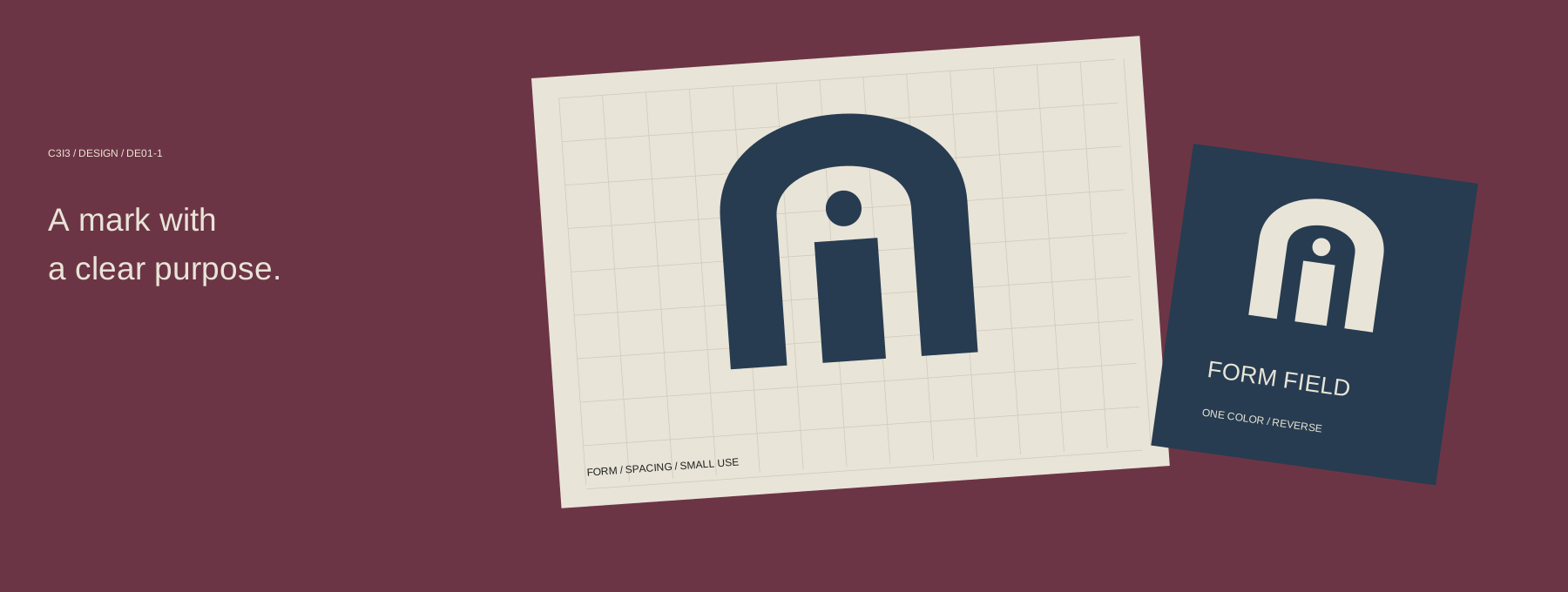
Prepare approved primary, compact and reverse uses of the chosen mark, including spacing and minimum-size guidance.
- 04Color and typography
Specify accessible color combinations, type hierarchy and practical alternatives for everyday office tools.
- 05Working templates
Design the agreed proposal, presentation or social templates around content staff will really need to change.
- 06File handover
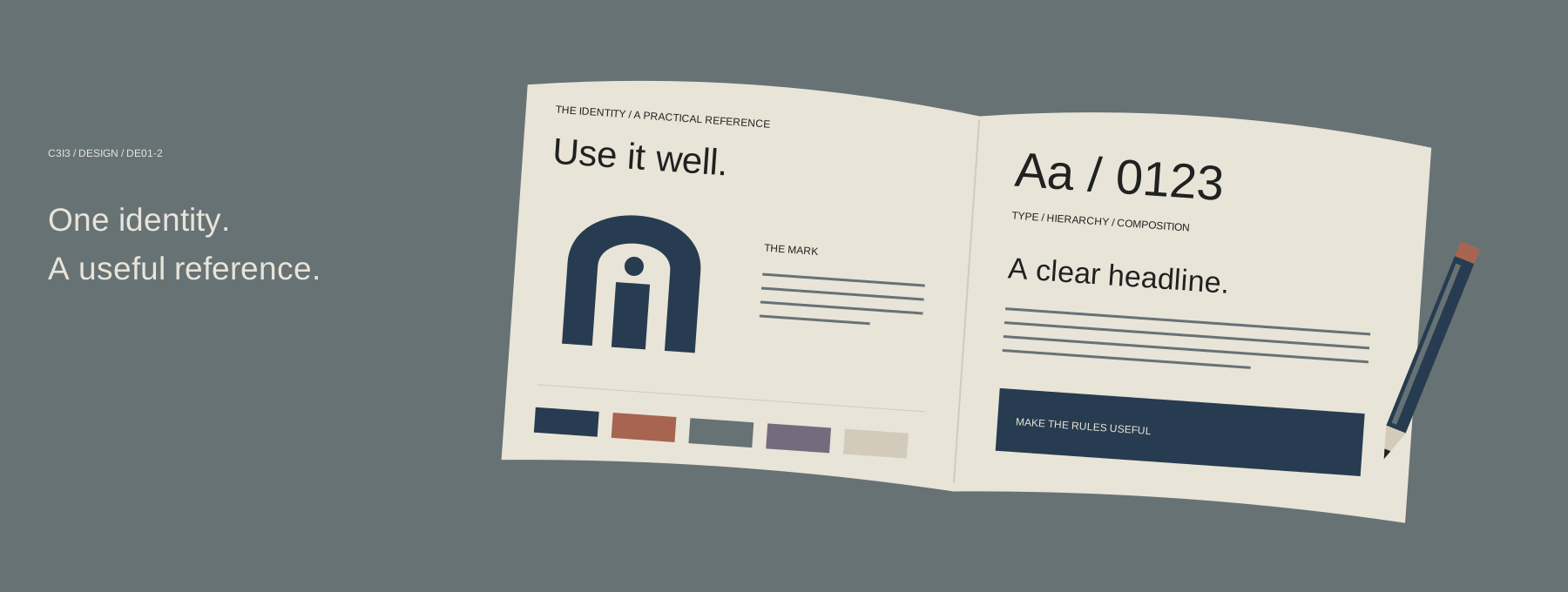
Organize approved artwork, exports and a concise usage reference with a named internal owner.
Go deeper where
the decision needs it.
This work connects to the related design and development work below. Explore the relevant service to see its distinct scope and deliverables.
Logo Design
Choose your audience, message, channels and marketing priorities with a clear written direction.
Explore logo designBrand Guidelines
Choose your audience, message, channels and marketing priorities with a clear written direction.
Explore brand guidelinesA clear process.
A practical handover.
The approach follows the user needs, content, technical requirements, and agreed scope. Open each step to see what happens and what it produces.
01Review the current identity
Bring the logo files and three customer-facing materials. We examine what is recognizable, inconsistent or difficult to reproduce.
An inventory and an agreed list of applications.
02Choose the direction
Review visual routes in the context of your website and documents. Collect feedback from the people responsible for approving and using the work.
A chosen visual direction with recorded decisions.
03Develop the system
Refine the chosen identity and test it across the agreed applications, including small and reverse uses.
A connected set of approved design files.
04Prepare the team
Walk through the file structure, editable templates and common mistakes so the handover can be used in daily work.
Approved exports, templates and a concise reference.
One business.
Three different impressions.
Illustrative example: a growing professional-services firm has an old website mark, a newer presentation logo and several proposal styles. We would begin by comparing these materials, selecting the features to retain and designing one usable system. This is a working scenario, not a claim about a client result.
| The question or stage | What we examine | Why it matters |
|---|---|---|
| Website header | Compact mark and readable type at small sizes | Keep the business recognizable on a phone. |
| Proposal | Cover, section headings and reusable content layouts | Make documents easier for staff to update consistently. |
| Customer email | Simple signature and approved logo export | Avoid improvised artwork and unreadable detail. |
To show how small business branding services can support a decision. Your design depends on the users, content, requirements, and constraints in your own brief.
Agree the brief.
Then make the work.
We agree the audience, applications, review stages, final files and implementation responsibilities before design begins. Bring the existing material and explain what has become difficult to use. The scope identifies what we will design, what needs approval and who will maintain it after handover.
| Before we start | What we agree |
|---|---|
| The decision | The audience, offer, question, and boundaries the work needs to address. |
| The deliverables | Design and implementation scope, format, review rounds, responsibilities, and handover. |
| The handover | Approved source files, implementation notes, content ownership and the person responsible for the next step. |
We confirm the proposal before work begins. You can commission a focused engagement, connect it to a wider plan, or ask about a separately scoped delivery phase.
Discuss scope and timingUseful questions.
Straightforward answers.
Do I need a new logo?
Not necessarily. An effective existing mark may need better files and clearer rules. We establish whether the problem is the logo itself, inconsistent application or both.
How is this different from brand positioning?
Brand positioning defines the audience, offer and reasons to choose the business. This service turns an agreed direction into a visual system. If that direction is unclear, we connect the work to brand positioning first.
Can you work with our existing brand colors?
Yes. We examine legibility and practical use, then identify where existing colors work and where supporting combinations are needed.
Will my team be able to edit the templates?
We agree the editing tools and staff responsibilities before designing templates. Editable files need realistic content limits and clear instructions, not just visual polish.
What should we bring to the first conversation?
Bring the current material, the customer or staff problem you want to solve, representative content and any technical constraints. Explain who will approve the work and who will use the final files.
How do we review the design?
We agree review points and collect feedback against the brief. A useful review identifies the reader or user task, the issue observed and the decision needed, rather than a list of disconnected preferences.
Can this connect to other C3i3 services?
Yes. We identify where strategy, copy, development or ongoing management is needed and link the appropriate service. Each part has an explicit responsibility and a defined handover.
What happens after the design is approved?
The agreed source files, exports and behavior notes are handed over to the responsible team. Implementation, publishing and ongoing changes follow the scope rather than being assumed from a finished visual.
Keep the experience
connected.
For a useful planning guide, read whether you need a website, app, or landing page. Or return to all Design services.
Useful reference: W3C guidance on readable color contrast .