



































Web Development.

Build the experience.
Connect the parts that matter.
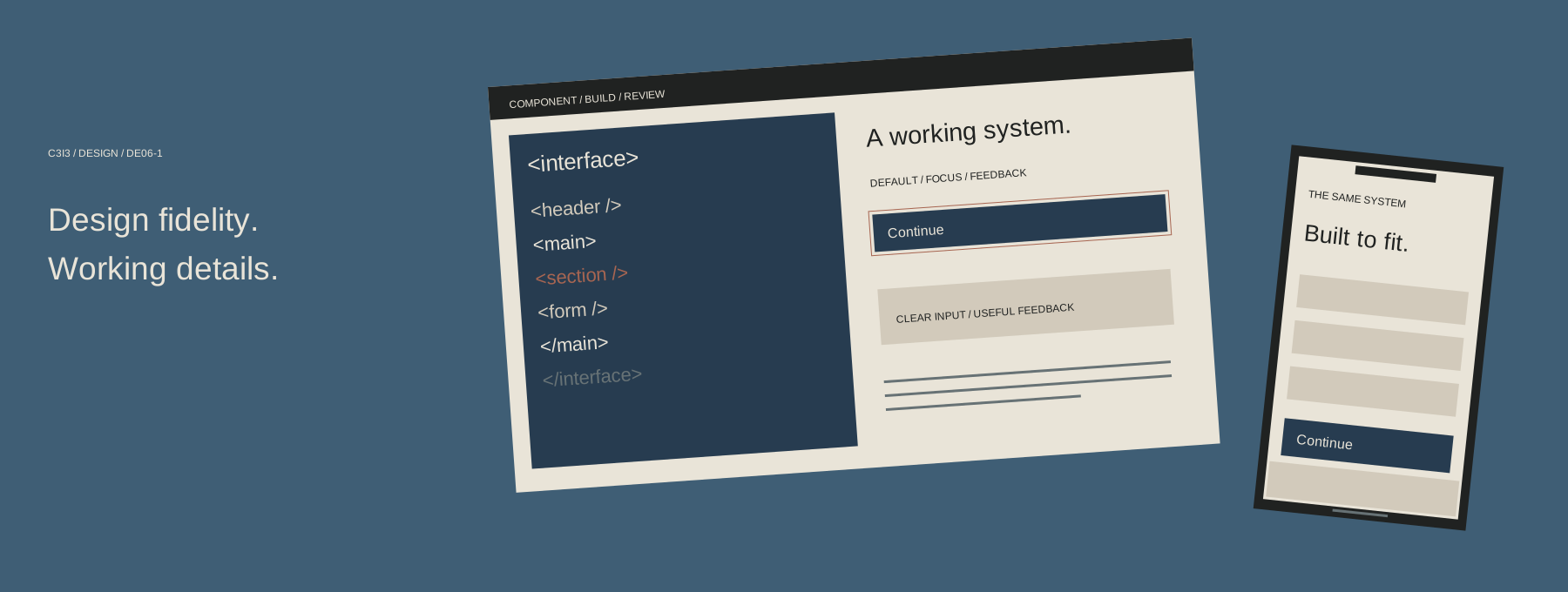
Web development turns an agreed design and functional brief into a working website or application. We connect the frontend, content structure, backend behavior, and integrations required for the defined experience.
The right implementation depends on what the site needs to do and how it will be managed. A largely informational site has different needs from an account-based product or integrated store. We clarify those requirements before choosing the architecture, then build and verify the important journeys. Handover covers the operational responsibilities as well as the source code.
Functional and technical brief
Define user journeys, content needs, platform constraints, integrations, and acceptance criteria.
Implementation architecture
Agree how the frontend, content, backend, hosting, and external services will work together.
Working frontend
Build the agreed responsive layouts, components, forms, navigation, and interaction states.
Clear deliverables.
Useful decisions.
Your written scope confirms the depth and final format of the work. These are the components we can bring together for web development.
- 01Functional and technical brief
Define user journeys, content needs, platform constraints, integrations, and acceptance criteria.
- 02Implementation architecture
Agree how the frontend, content, backend, hosting, and external services will work together.
- 03Working frontend
Build the agreed responsive layouts, components, forms, navigation, and interaction states.
- 04Backend and integration work
Implement the explicitly scoped data, server behavior, and external connections where required.
- 05Testing and release checks
Verify agreed functional, responsive, accessibility, performance, and operational requirements.
- 06Source and operational handover
Document the build, configuration, deployment, ownership, and maintenance responsibilities.
Go deeper where
the decision needs it.
These specialist services develop the work within web development. We can combine the relevant parts in one scope or focus on a particular decision.
Frontend Development
Frontend development implements the part of a website or app people see and use. We build the agreed layouts, components, responsive behavior, and interactions from the approved design and functional requirements.
Explore frontend developmentBackend Development
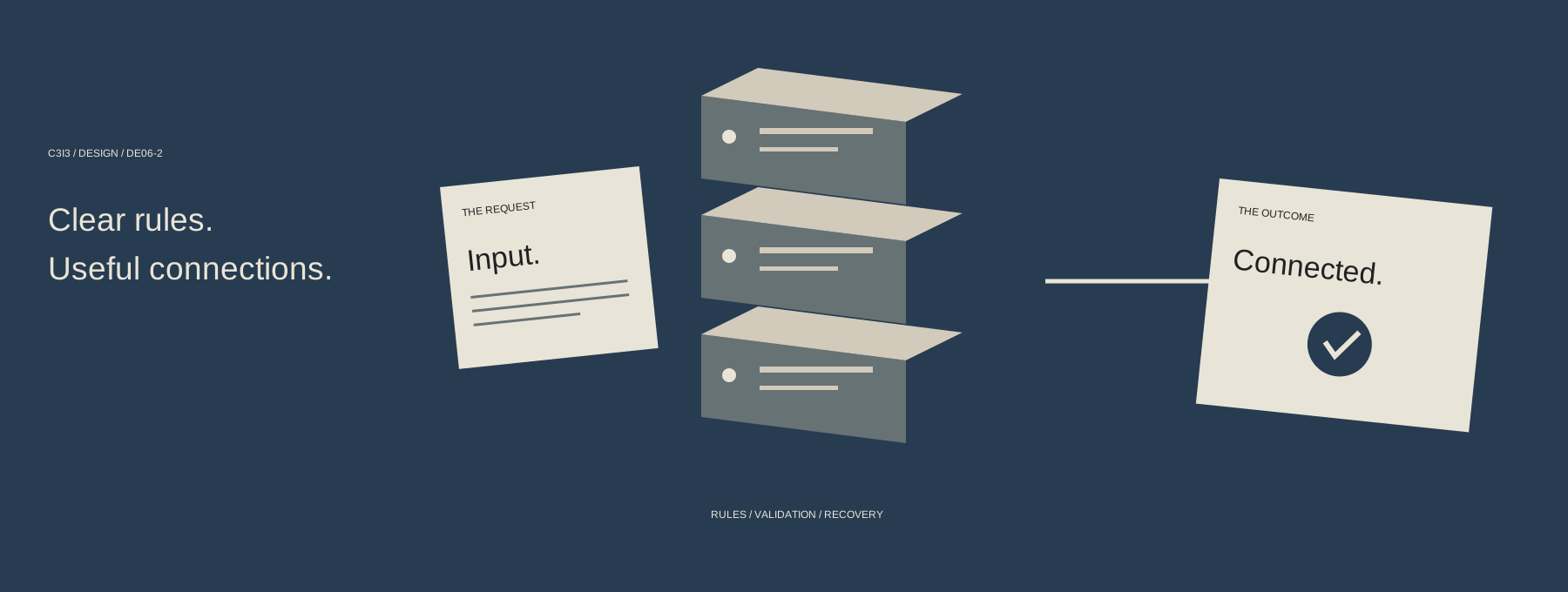
Backend development provides the server behavior, data handling, and integrations a website or application needs. We define the rules behind the interface and implement the agreed connections with clear responsibilities for access, validation, and operation.
Explore backend developmentA clear process.
A practical handover.
The approach follows the user needs, content, technical requirements, and agreed scope. Open each step to see what happens and what it produces.
01Define the working requirements.
We resolve the journeys, content, integrations, constraints, and acceptance criteria before implementation.
A development brief and technical plan.
02Build the agreed components.
We implement the frontend and any scoped server work in an organized source project.
A working development version.
03Verify the important paths.
We test the defined tasks and states and resolve issues against the agreed criteria.
A reviewed release candidate.
04Release and hand over.
We deploy through the agreed process and document access, source, configuration, and ongoing responsibilities.
A released site and practical handover.
The design in practice.
A service site with an enquiry workflow may need responsive pages, structured content, form validation, a delivery connection, and clear confirmation behavior. The build should verify both the visible experience and whether a valid request reaches its intended destination.
| The question or stage | What we examine | Why it matters |
|---|---|---|
| Experience | Pages, components, and interactions | Implement the approved design faithfully. |
| Connection | Content, data, and external services | Make the required functionality work end to end. |
| Operation | Deployment and maintenance ownership | Keep the site understandable after launch. |
To show how web development can support a decision. Your design depends on the users, content, requirements, and constraints in your own brief.
Agree the brief.
Then make the work.
Templates, functionality, integrations, content volume, migration, hosting, and release requirements determine the proposal. Licenses, provider accounts, ongoing hosting costs, support, and future feature work are separate unless included.
| Before we start | What we agree |
|---|---|
| The decision | The audience, offer, question, and boundaries the work needs to address. |
| The deliverables | Design and implementation scope, format, review rounds, responsibilities, and handover. |
| The investment | Written fees, schedule, dependencies, and any separate third-party or implementation costs. |
We confirm the proposal before work begins. You can commission a focused engagement, connect it to a wider plan, or ask about a separately scoped delivery phase.
Discuss scope and timingUseful questions.
Straightforward answers.
Can you build a design created by another team?
Yes, with usable design files, assets, requirements, and permission to implement them. We identify missing behavior and states before estimating the build.
Which platform will you use?
We choose or work within a platform based on functionality, content management, integrations, team capabilities, and ownership needs. The choice is agreed before implementation.
Does development include content management?
A CMS or another editing workflow can be included when required. Its content model and editorial responsibilities need to be defined.
Will we receive the source files?
The handover scope identifies source access, configuration documentation, and the ownership and licensing arrangements for the project.
Can you connect our website to other business tools?
Integrations can be scoped once the available interfaces, access, data rules, and failure handling are understood.
Do you provide ongoing maintenance?
Ongoing support can be a separate engagement with defined coverage, response expectations, provider responsibilities, and costs.
How do you price this project?
We quote the agreed deliverables, research, complexity, review rounds, and handover or implementation requirements. The proposal identifies the fee, responsibilities, dependencies, and what would require a change of scope.
What should we prepare before we begin?
Bring the business goal, intended users, existing brand and project material, available content, and any platform, budget, or timing constraints. We will identify missing inputs and agree who can approve the work.
Keep the experience
connected.
For a useful planning guide, read whether you need a website, app, or landing page. Or return to all Design services.