



































UX Audits.

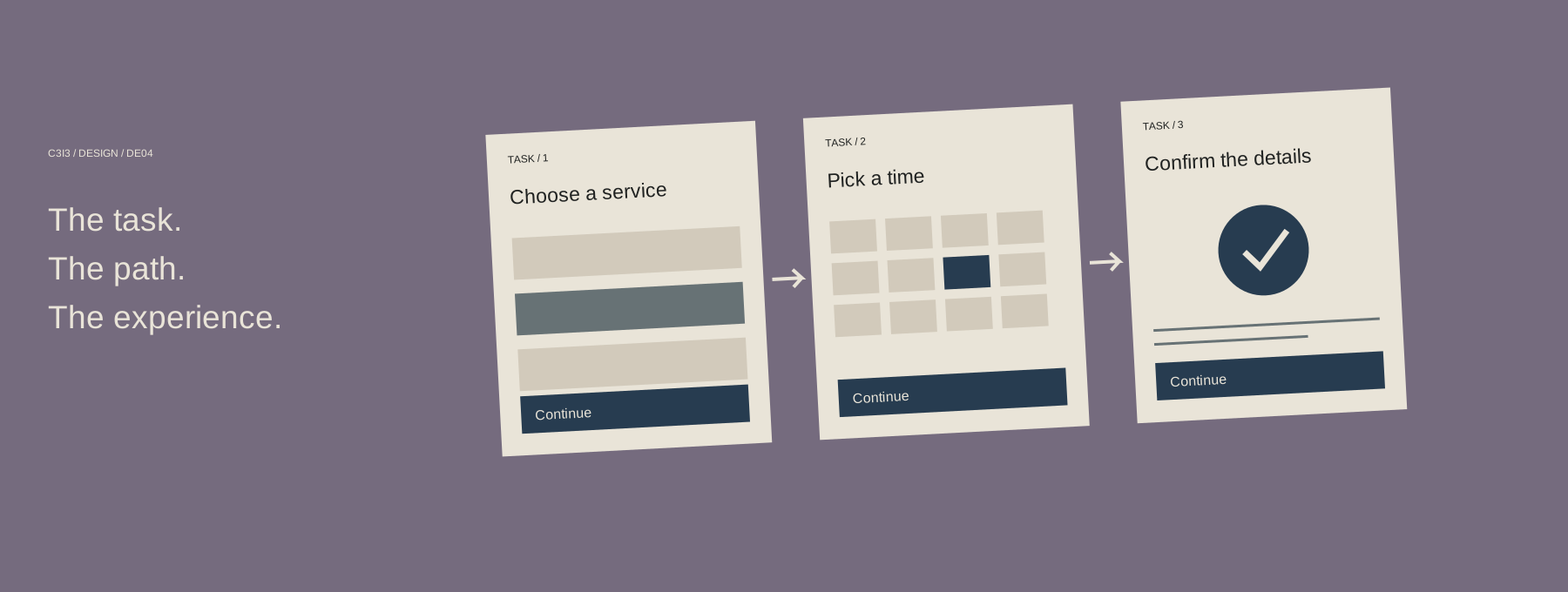
Find the friction.
Choose what to fix first.
A UX audit reviews an existing website or product for problems that make important tasks harder. We examine the agreed journeys, document the evidence and reasoning behind each finding, and prioritize practical improvements.
The audit should produce decisions, not a long list of subjective preferences. We identify the affected user and task, describe the problem, and distinguish direct observation from a hypothesis. Available analytics, feedback, and research can add context. Recommendations take implementation effort and constraints into account so the team can act on the most useful work first.
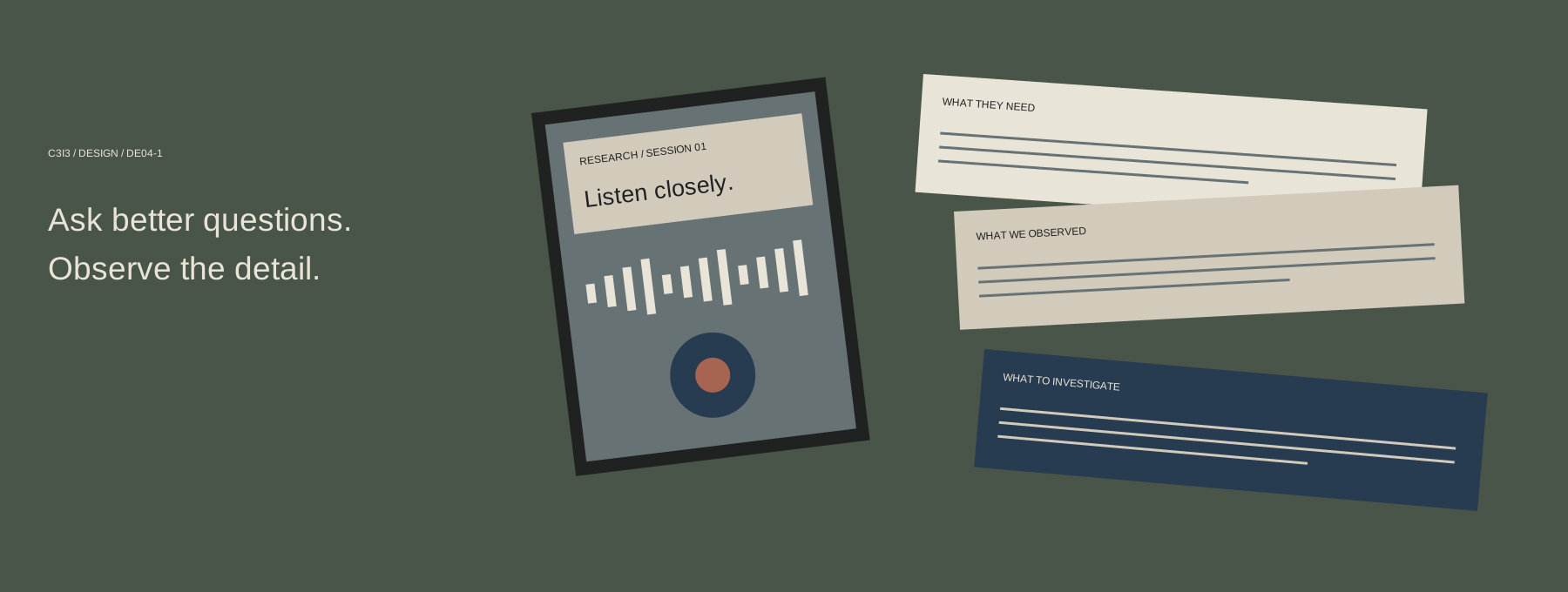
Audit scope and task inventory
Define the pages, devices, journeys, and evidence included in the review.
Structured experience review
Examine navigation, information hierarchy, forms, feedback, and other relevant interaction patterns.
Evidence-backed findings
Record the observed issue, task affected, supporting context, and important uncertainty.
Clear deliverables.
Useful decisions.
Your written scope confirms the depth and final format of the work. These are the components we can bring together for ux audits.
- 01Audit scope and task inventory
Define the pages, devices, journeys, and evidence included in the review.
- 02Structured experience review
Examine navigation, information hierarchy, forms, feedback, and other relevant interaction patterns.
- 03Evidence-backed findings
Record the observed issue, task affected, supporting context, and important uncertainty.
- 04Prioritized recommendations
Rank the agreed findings by severity, likely task impact, and practical implementation considerations.
- 05Annotated examples
Use clear references and selected sketches to explain the problem and intended improvement.
- 06Actionable handover
Provide a manageable next-step backlog with ownership questions and further research needs.
Go deeper where
the decision needs it.
This work connects to the related design and development work below. Explore the relevant service to see its distinct scope and deliverables.
UX Design
UX design shapes how people find information, complete tasks, and move through a website or digital product. We connect user needs, business requirements, structure, flows, and interaction decisions before developing or refining the visual interface.
Explore ux designUX Research
UX research investigates the people, tasks, and conditions a digital experience needs to support. We choose methods around a clear research question and turn the findings into practical implications for design and product decisions.
Explore ux researchA clear process.
A practical handover.
The approach follows the user needs, content, technical requirements, and agreed scope. Open each step to see what happens and what it produces.
01Choose the journeys to review.
We agree the audience, tasks, devices, and available evidence rather than treating every page equally.
An audit plan and coverage boundaries.
02Inspect and document the issues.
We review the experience and record the conditions that make each problem appear.
A traceable findings register.
03Prioritize improvements.
We consider the task impact, supporting evidence, and effort or dependencies behind the recommendations.
An ordered set of practical actions.
04Discuss the next phase.
We explain the findings and separate immediate fixes from redesign, testing, or research work.
A handover the team can implement.
The design in practice.
If a booking form clears completed fields after an error, an audit can document that behavior and the recovery problem it creates. The recommendation should identify the desired state and affected task, rather than vaguely ask for a more modern form.
| The question or stage | What we examine | Why it matters |
|---|---|---|
| Task | Complete a booking | Keep the finding connected to a real user goal. |
| Issue | Lost input after an error | Describe the condition and consequence clearly. |
| Action | Retain input and explain recovery | Give the team an implementable requirement. |
To show how ux audits can support a decision. Your design depends on the users, content, requirements, and constraints in your own brief.
Agree the brief.
Then make the work.
The proposal defines coverage, devices, evidence access, review depth, annotation, and presentation. User recruitment, full accessibility audits, development, redesign, and post-release measurement are separate unless included.
| Before we start | What we agree |
|---|---|
| The decision | The audience, offer, question, and boundaries the work needs to address. |
| The deliverables | Design and implementation scope, format, review rounds, responsibilities, and handover. |
| The investment | Written fees, schedule, dependencies, and any separate third-party or implementation costs. |
We confirm the proposal before work begins. You can commission a focused engagement, connect it to a wider plan, or ask about a separately scoped delivery phase.
Discuss scope and timingUseful questions.
Straightforward answers.
How is a UX audit different from a full redesign?
An audit identifies and prioritizes problems in the current experience. A redesign develops a new solution for the agreed areas.
Do you need access to analytics?
It helps when available, but a structured interface review can still identify issues. We state when a recommendation is a hypothesis rather than a measured cause.
Will you inspect every page?
Coverage is agreed in advance. Representative templates and critical journeys can be more useful than a shallow pass over every URL.
Does the audit include accessibility?
We can review selected accessibility-related barriers. A formal accessibility assessment needs its own defined criteria, coverage, and testing process.
Can our developers implement the recommendations?
The handover is written to support action, with issue context, priority, and intended behavior. Detailed redesign or technical implementation may be a follow-on scope.
Will the audit tell us how much revenue we are losing?
Not reliably from interface review alone. We avoid assigning invented financial impact to a finding without supporting measurement.
How do you price this project?
We quote the agreed deliverables, research, complexity, review rounds, and handover or implementation requirements. The proposal identifies the fee, responsibilities, dependencies, and what would require a change of scope.
What should we prepare before we begin?
Bring the business goal, intended users, existing brand and project material, available content, and any platform, budget, or timing constraints. We will identify missing inputs and agree who can approve the work.
Keep the experience
connected.
For a useful planning guide, read whether you need a website, app, or landing page. Or return to all Design services.