



































UI Design.

Design every state.
Make the experience feel coherent.
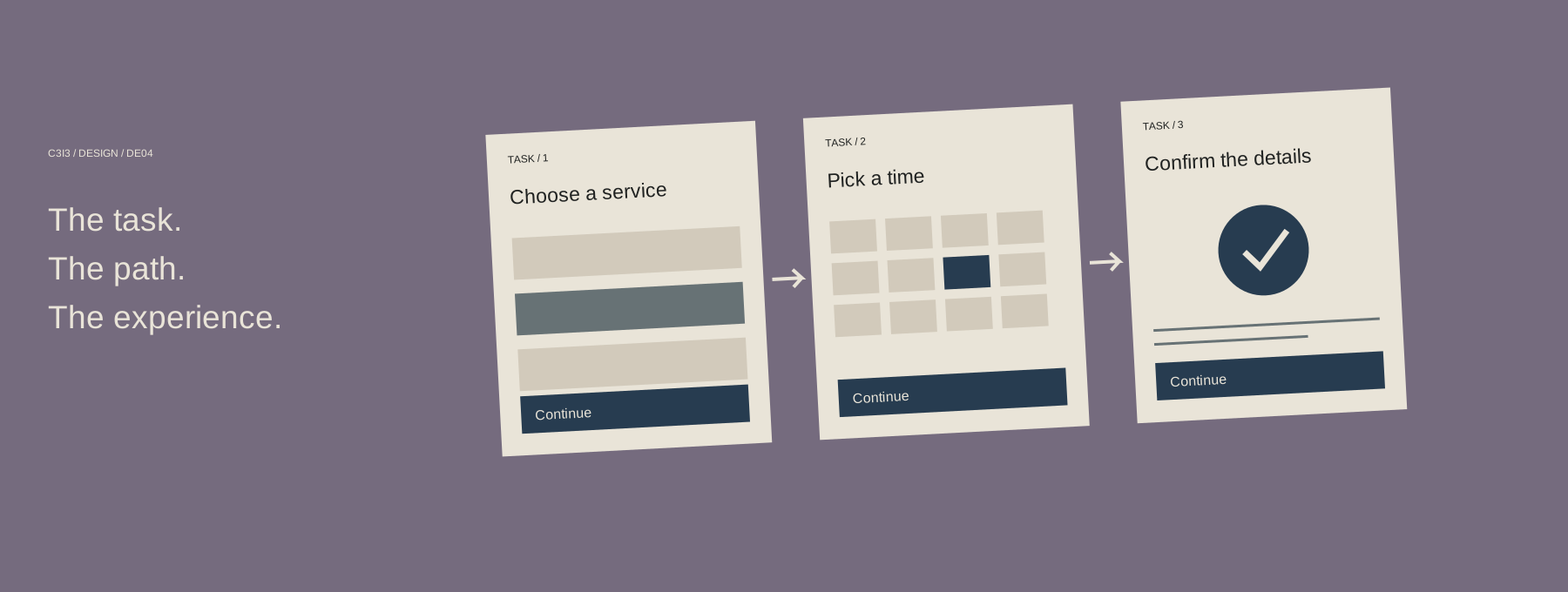
UI design develops the visual and interactive presentation of a website, app, or digital product. We create the screen layouts, component relationships, typography, and states that make the agreed experience clear and consistent.
An interface is more than a collection of attractive screens. Buttons need different states, forms need helpful feedback, and content changes in length and density. We work with real tasks and representative data so the visual system can handle those conditions. Reusable components make the result easier to build and extend when their rules are documented clearly.
Interface and platform brief
Clarify the user journeys, product context, existing brand, and implementation constraints.
Visual UI direction
Develop typography, color, spacing, and composition principles suited to the product and its users.
Screen and component designs
Create the agreed layouts and reusable elements with a coherent visual hierarchy.
Clear deliverables.
Useful decisions.
Your written scope confirms the depth and final format of the work. These are the components we can bring together for ui design.
- 01Interface and platform brief
Clarify the user journeys, product context, existing brand, and implementation constraints.
- 02Visual UI direction
Develop typography, color, spacing, and composition principles suited to the product and its users.
- 03Screen and component designs
Create the agreed layouts and reusable elements with a coherent visual hierarchy.
- 04Interaction and feedback states
Specify relevant focus, selected, disabled, loading, empty, error, and success conditions.
- 05Responsive behavior
Design how content and interactions adapt across agreed viewport and input contexts.
- 06Developer-ready handover
Organize design files, assets, component rules, and behavior notes for implementation.
Go deeper where
the decision needs it.
This work connects to the related design and development work below. Explore the relevant service to see its distinct scope and deliverables.
UX Design
UX design shapes how people find information, complete tasks, and move through a website or digital product. We connect user needs, business requirements, structure, flows, and interaction decisions before developing or refining the visual interface.
Explore ux designUX Research
UX research investigates the people, tasks, and conditions a digital experience needs to support. We choose methods around a clear research question and turn the findings into practical implications for design and product decisions.
Explore ux researchA clear process.
A practical handover.
The approach follows the user needs, content, technical requirements, and agreed scope. Open each step to see what happens and what it produces.
01Review the flows and content.
We confirm the tasks and wireframes or identify UX questions that need resolving before visual design.
A UI brief and screen inventory.
02Set the visual direction.
We develop a representative part of the product to establish hierarchy and component relationships.
An approved interface direction.
03Expand the screens and states.
We apply the system to the agreed journeys and review realistic content and edge conditions.
A coherent set of responsive designs.
04Prepare the component handover.
We document assets, states, and behavior and resolve implementation questions with the build team.
A usable UI reference.
The design in practice.
A service dashboard may need to show a full schedule, an empty schedule, and a failed request. The UI system can keep actions and typography consistent while giving each condition an appropriate explanation and next step.
| The question or stage | What we examine | Why it matters |
|---|---|---|
| Layout | Information and action hierarchy | Make the main task easy to recognize. |
| Components | Reusable controls and patterns | Keep behavior and presentation consistent. |
| States | Different content and system conditions | Give the interface a useful response beyond the ideal screen. |
To show how ui design can support a decision. Your design depends on the users, content, requirements, and constraints in your own brief.
Agree the brief.
Then make the work.
Scope depends on screen count, component complexity, platforms, responsive layouts, interaction states, and documentation. UX research, production code, and a comprehensive design-system program are separate unless included.
| Before we start | What we agree |
|---|---|
| The decision | The audience, offer, question, and boundaries the work needs to address. |
| The deliverables | Design and implementation scope, format, review rounds, responsibilities, and handover. |
| The investment | Written fees, schedule, dependencies, and any separate third-party or implementation costs. |
We confirm the proposal before work begins. You can commission a focused engagement, connect it to a wider plan, or ask about a separately scoped delivery phase.
Discuss scope and timingUseful questions.
Straightforward answers.
Can you design an app interface without building the app?
Yes. We can deliver a design and prototype package for your developers, with implementation responsibilities made clear.
Do you include dark mode?
A dark theme can be scoped. It requires deliberate color and state decisions rather than simply reversing every color.
Will the design include empty and error states?
We identify important states in the brief and include the agreed ones so implementation is not left to guess.
Can you use our existing component library?
Yes. We review the library and define where to reuse, refine, or add components.
Does UI design include accessibility testing?
Design reviews can address relevant criteria and barriers. Testing the finished implementation is a separate responsibility unless included.
What format is the handover?
We agree the design tool and file organization, with assets, component rules, and behavior notes suited to the development workflow.
How do you price this project?
We quote the agreed deliverables, research, complexity, review rounds, and handover or implementation requirements. The proposal identifies the fee, responsibilities, dependencies, and what would require a change of scope.
What should we prepare before we begin?
Bring the business goal, intended users, existing brand and project material, available content, and any platform, budget, or timing constraints. We will identify missing inputs and agree who can approve the work.
Keep the experience
connected.
For a useful planning guide, read whether you need a website, app, or landing page. Or return to all Design services.