






































Drupal Development Services.

A large content library.
A publishing process nobody trusts?
C3i3 provides Drupal development services for organizations that need structured content, clear publishing responsibilities and a website that can be maintained by more than one team. We connect the agreed design with content types, reusable presentation patterns and the integrations required for the defined website.
A Drupal project should begin with the content model and operating requirements, not a list of modules. We review the material, editorial tasks, existing implementation and technical dependencies before choosing the build approach. Migration, access, integration and release requirements are documented with their responsible owners. The engagement may be a focused improvement or a broader rebuild, depending on what the review establishes.
Structured content
Define content types, fields and relationships around how information needs to be created, reused and displayed.
A usable publishing workflow
Connect editor roles, review stages and publishing responsibilities to the organization’s actual process.
A clear technical handover
Document configuration, dependencies, release steps and the operating responsibilities after implementation.
Clear deliverables.
Useful decisions.
Your written scope confirms the depth and final format of the work. These are the components we can bring together for drupal development services.
- 01Current-state and requirements review
Examine the existing Drupal setup, content structure, editorial tasks and relevant integration requirements.
- 02Content architecture
Define content types, fields, taxonomy and relationships using representative material and explicit reuse needs.
- 03Frontend implementation
Build the agreed responsive templates and components around the approved visual design and content states.
- 04Workflow and integration configuration
Implement the agreed editorial behavior and connections, subject to available access and confirmed technical requirements.
- 05Migration and acceptance plan
Map content, URLs and files where migration is in scope, with verification criteria and an exception process.
- 06Release and operating handover
Document the build, configuration, deployment responsibilities and ongoing maintenance requirements.
Go deeper where
the decision needs it.
This work connects to the related design and development work below. Explore the relevant service to see its distinct scope and deliverables.
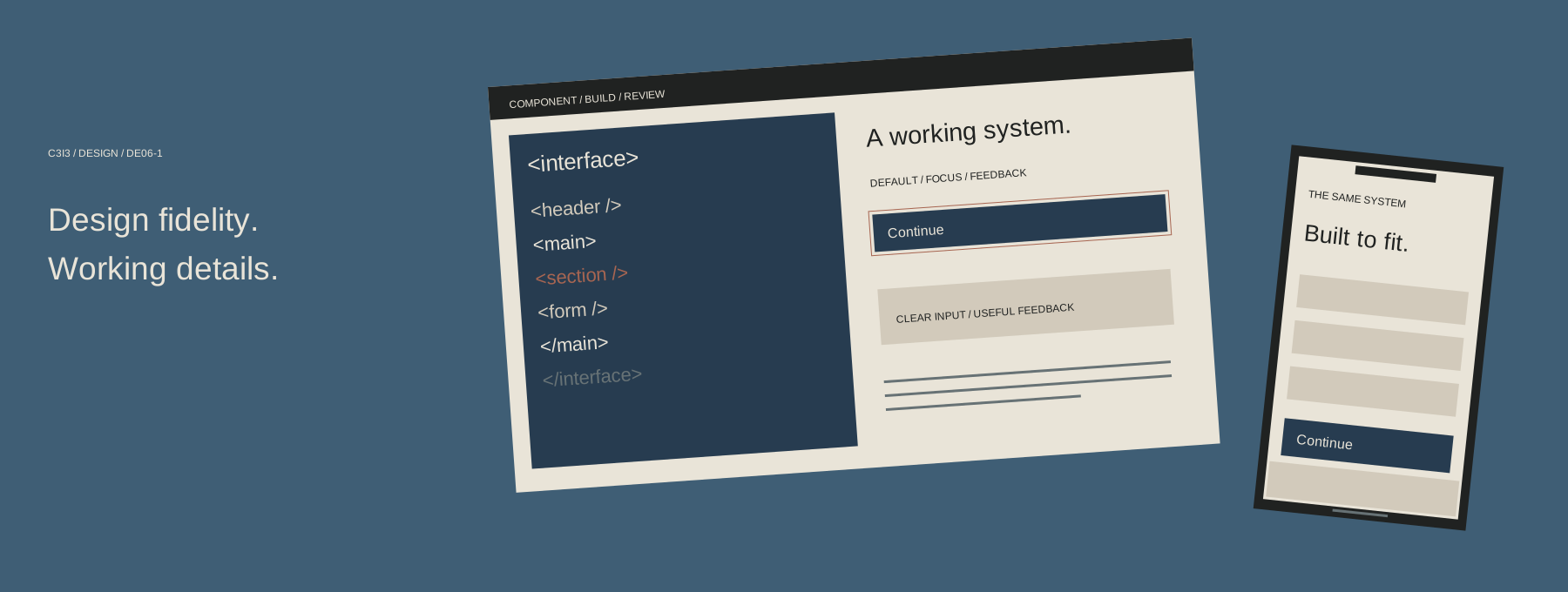
Frontend Development
Choose your audience, message, channels and marketing priorities with a clear written direction.
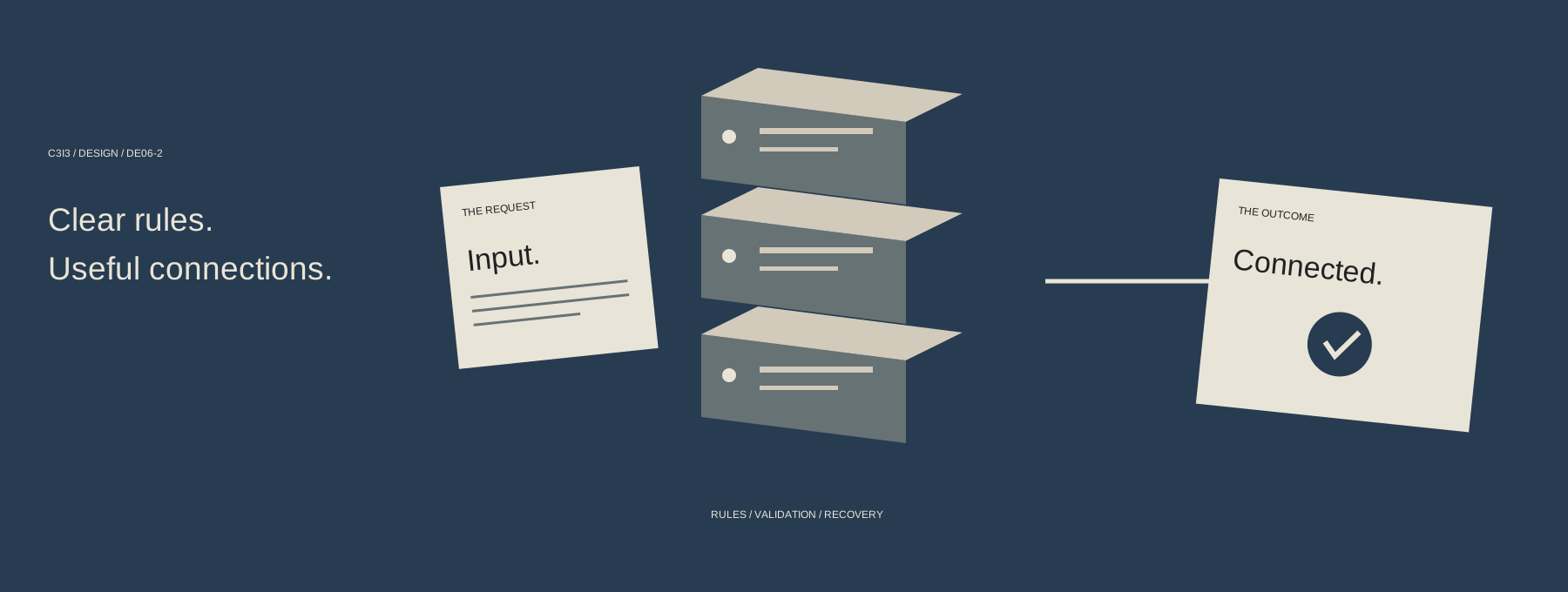
Explore frontend developmentBackend Development
Choose your audience, message, channels and marketing priorities with a clear written direction.
Explore backend developmentA clear process.
A practical handover.
The approach follows the user needs, content, technical requirements, and agreed scope. Open each step to see what happens and what it produces.
01Review the foundation
Assess the current content, application version and publishing process. Identify the technical facts needed before committing to a build plan.
An implementation brief with dependencies and open decisions.
02Model the content
Define fields and relationships using actual content examples. Check how editors create, reuse and approve the material.
A reviewed content model and workflow.
03Build and verify
Implement the agreed templates, configuration and connections. Check representative tasks, error behavior and content variations.
A working release candidate with recorded findings.
04Prepare release and ownership
Verify the agreed migration sample, URL behavior, access and operating documentation before the release decision.
A release checklist and maintenance handover.
One product record.
Several useful places to use it.
Illustrative example: an organization repeats the same product description across several section pages. A structured content model could store approved product information once and reference it in different layouts. That requires clear rules for what is shared, who may update it and which contextual information remains specific to each page.
| The question or stage | What we examine | Why it matters |
|---|---|---|
| Content record | Fields, relationships and validation | Make the information consistent enough to reuse. |
| Presentation | Templates and contextual page content | Use the same record appropriately in different places. |
| Publishing | Review, access and ownership | Make changes accountable and understandable. |
To show how drupal development services can support a decision. Your design depends on the users, content, requirements, and constraints in your own brief.
Agree the brief.
Then make the work.
We agree the audience, important tasks, representative content, review stages and final deliverables before implementation. The brief names approval owners, technical dependencies, data-handling requirements and the operating responsibilities after handover. Work on integrations, migration or additional systems is included only where explicitly defined.
| Before we start | What we agree |
|---|---|
| The decision | The audience, offer, question, and boundaries the work needs to address. |
| The deliverables | Design and implementation scope, format, review rounds, responsibilities, and handover. |
| The handover | Approved source files, implementation notes, content ownership and the person responsible for the next step. |
We confirm the proposal before work begins. You can commission a focused engagement, connect it to a wider plan, or ask about a separately scoped delivery phase.
Discuss scope and timingUseful questions.
Straightforward answers.
Can you work on our existing Drupal website?
Yes. We begin with the current version, codebase, hosting and operational requirements. The review establishes whether a focused change, upgrade or rebuild is appropriate.
Does this include a Drupal migration?
Only when defined in the scope. Migration needs a content inventory, mapping rules, file and URL requirements, validation criteria and a plan for exceptions.
Can Drupal connect to our other systems?
We assess the available interfaces, access requirements and data responsibilities before defining an integration. Compatibility and operating behavior need implementation checks.
Who maintains the site after launch?
The handover identifies the responsible team for updates, monitoring, backups and publishing support. Ongoing management is a separate operational scope linked from this service.
Can you collaborate with our internal team or another vendor?
Yes. We agree ownership of content, design, code, infrastructure and approvals before work begins. Shared reviews need a designated decision maker and a record of dependencies.
How do you handle accessibility?
We consider accessible structure and interactions throughout the design and build. The brief defines the required checks, representative tasks and implementation responsibilities; accessibility is not established by a visual mockup alone.
Can we begin with one part of a larger website?
Yes. A focused scope can address a content model, priority templates or a specific workflow. We document how that work connects to the wider site so a limited engagement does not create an unrelated system.
What do we need before starting?
Bring the business problem, representative content, relevant existing assets and the people responsible for technical and content decisions. We identify missing requirements during discovery rather than assuming they are resolved.
Keep the experience
connected.
Frontend Development
Backend Development
For a useful planning guide, read whether you need a website, app, or landing page. Or return to all Design services.
Useful reference: Drupal documentation .