



































In this article
A B2B website can look professional and still leave a buyer uncertain about fit. An engineer cannot find application details, procurement cannot tell what information a quote requires, or a manager sees broad promises without a practical explanation.
A useful San Jose SEO agency engagement should address those evaluation gaps alongside search discovery. It should reflect the company’s real market, which may extend far beyond Silicon Valley.
How should a B2B SEO agency understand the buying team?
It should identify the people who discover, evaluate, approve and purchase your offer. Those roles may ask different questions even when they are evaluating the same product or service.
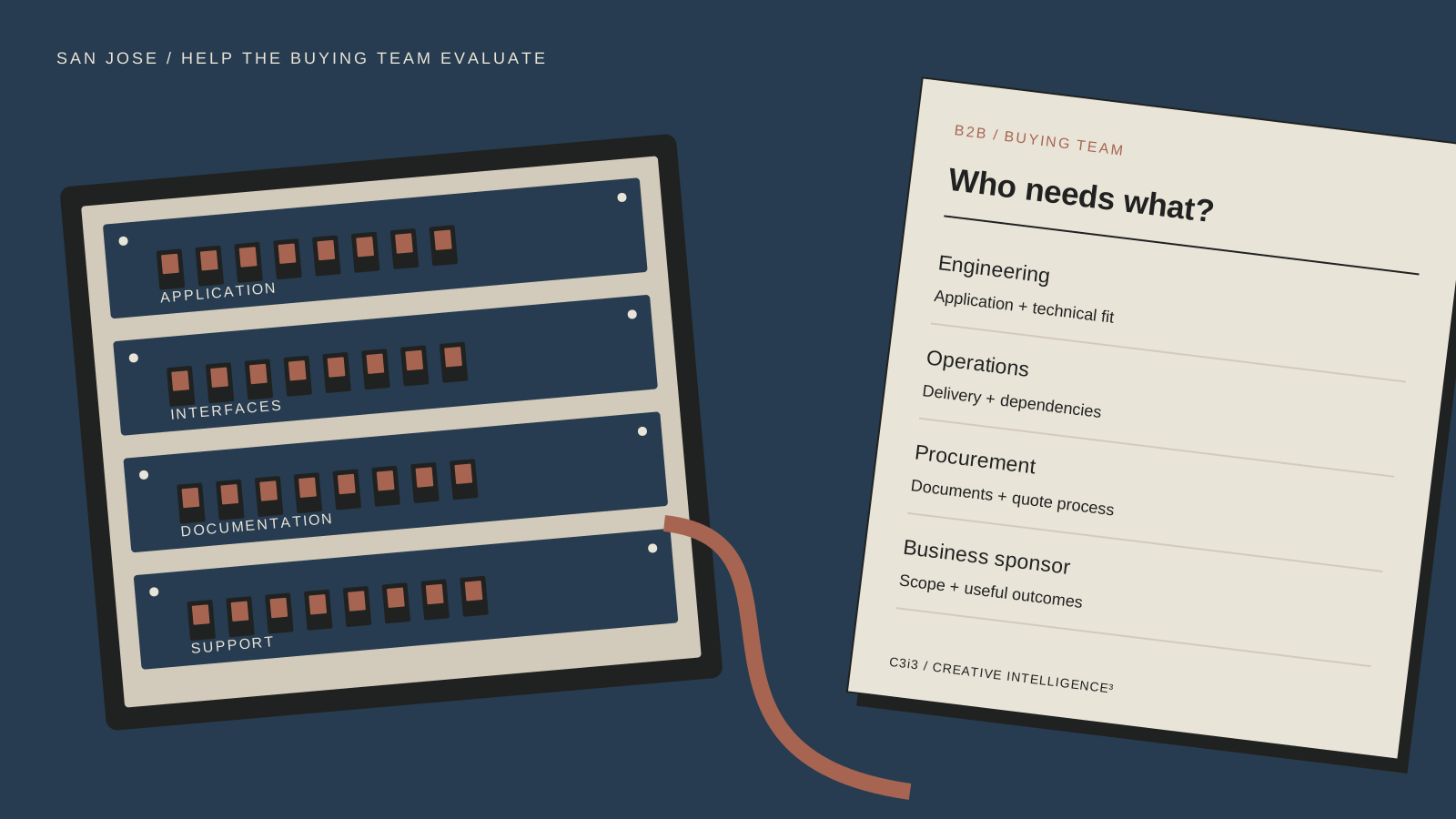
An engineer may need application compatibility and operating limits. Operations may need deployment, maintenance or training information. Procurement may need documentation and ordering steps. A business sponsor may need a plain explanation of the problem solved and the responsibilities involved.
Ask the agency to interview the staff who handle those conversations. Customer questions are valuable research material because they reveal the language and information buyers actually use. Search estimates can complement that evidence, but they should not erase a specialized question simply because a tool returns little data.
Practical tip: Take one recent sale and map the questions asked before the first meeting, before technical approval and before the quote. Remove private details. That sequence becomes a more useful content brief than a generic list of industry keywords.
The Bay Area SEO company guide explains how to assess whether a provider understands this business context.
Which B2B pages should the agency improve first?
Start with the pages closest to an important buying decision. These may be a core service, product family, application, integration or support page. The right order depends on the company’s offer and where buyers currently struggle.
A useful application page connects a customer problem to a specific capability. It explains the conditions, relevant specifications, limitations and supporting documentation. It should avoid implying universal suitability when the application requires a technical review.
A service page should clarify scope, dependencies, process and the next discussion. A buyer should understand what your team does and what information is needed to assess fit. A long list of capabilities without context can make that evaluation harder.
Use supporting articles to answer substantial questions that do not fit naturally on the main page. Link them where the reader needs the explanation. Google’s link guidance is a useful reference for making those connections accessible.
Ask this: “Which page helps a qualified buyer decide whether to talk to us, and what is missing from it today?” The answer should identify a concrete page and a customer need.
How should the agency handle specifications and technical claims?
It should create a review process with the people responsible for the facts. Writers can organize and explain technical information, but they should not invent supported conditions, certifications, customer outcomes or product availability.
Keep the source and scope of a claim clear. A test on one configuration does not establish support for every configuration. A standard referenced in a brochure does not automatically prove that every product is certified to it. Ask the technical reviewer to approve the exact wording and relevant document version.
Publish useful summaries in readable web text and link to deeper documents where needed. Google supports indexing several file types, including PDF, as described in its file-type documentation. That does not mean a PDF alone supplies the context a buyer needs on the product page.
Practical tip: Maintain a simple record of claims, sources and reviewers for priority pages. When a product changes, that record helps you find the related application page, article and download that may also need updating. Accuracy is an ongoing content responsibility, not only a final proofreading task.
How should San Jose location content support a national B2B market?
Use location when it changes the customer’s experience. A company may offer local workshops or installation while selling products nationally. Explain those arrangements accurately rather than making every page about San Jose.
A local page can describe the team, consultation arrangements and relevant regional services. A national application page should focus on the application and buying requirements. The two pages can link naturally when the reader needs both kinds of information.
Avoid creating city pages that repeat the same offer without distinct evidence or service details. Ask what a buyer learns from each page that is not already available elsewhere. If the answer is only a different city name, reconsider the page’s purpose.
For an illustrative equipment service, location may affect travel scheduling and on-site support. For a software integration, the important distinction may be remote delivery and the systems supported. The agency should learn which applies before writing the local brief.
C3i3’s San Jose business services and B2B content marketing can be discussed around that market reality.
How can SEO improve the quality of B2B inquiries?
Help buyers recognize suitability and prepare a useful initial request. A clear inquiry path explains what information is helpful now and what can be discussed later.
For a component supplier, an application, expected quantity and target conditions may help sales route the request. For a consulting company, the current environment and desired outcome may matter more. Do not demand a complete engineering package when the prospect is asking whether a conversation is appropriate.
Define the stages you want to measure. A document download, technical question, quote request and qualified opportunity are different events. The sales team should help interpret them so reporting does not turn every interaction into the same kind of lead.
Ask which misunderstandings remain common. If prospects request an unsupported application, clarify the relevant limitation. If suitable buyers cannot find the quote form, improve the path. If the form works but follow-up is slow, address the handoff.
Practical tip: Review a small sample of relevant inquiries with the agency each month. Focus on the questions and outcomes, using only the information needed for that discussion. This feedback can guide the next page improvement more directly than total traffic.
Should a B2B SEO scope also include AI-search work?
It can, when the activities and reporting are defined. Useful application answers, accessible technical content and verified evidence can support both conventional search and AI-assisted evaluation.
Google says its existing SEO practices apply to AI features, without additional requirements or special AI markup. Read Google’s guidance when assessing proposals that describe a completely separate technical system as mandatory.
Other platform checks may add work. An agency should explain access reviews, prompt sampling and what it can observe. It should keep a sampled mention separate from a citation, a visit and a qualified opportunity. A B2B sale may involve several people and channels before a quote is approved.
Use our San Jose AI-search services guide to compare the scope and the SEO performance checklist to structure the ongoing review.
Ask this: “What did we improve for a buyer this month, and which observation will help us choose the next improvement?” A useful answer should connect the content, implementation and sales feedback.
What else should San Jose B2B companies ask an SEO agency?
Should we target only San Jose keywords?
Only when that matches the market. A San Jose company serving national buyers should organize content around applications and services, while explaining local support where it matters.
Are technical PDFs enough for SEO?
They can be useful documents, but buyers may still need readable page summaries, version context and links to the right files. Assess the entire evaluation journey.
Can the agency write without interviewing our experts?
It can draft from approved material, but important application and specification claims still need a qualified reviewer. Agree who supplies and approves the evidence.
How can C3i3 help your B2B company improve search and evaluation?
Start with one product family or service, the buying roles involved and the public evidence you can share. We can help prioritize pages, gather expert input and connect the content to useful sales conversations.
Explore SEO agency support, technical writing services or contact C3i3 to discuss a first scope.