



































In this article
Organize industrial marketing across product lines, brands and applications. A Bay Area guide to buyer paths, source ownership, evidence and sales routing.
Why does a multi-line industrial business need a different content structure?
A business representing several product lines may need to explain both the products and its own role in helping buyers evaluate or obtain them. A manufacturer brand, product category and application are different starting points. Mixing them into one list can make the offer difficult to understand.
Start by describing the actual business model. A manufacturer, distributor, integrator and diversified trading organization can have different responsibilities. Some organizations combine roles, but the public explanation should make the relevant scope clear. Do not infer a capability from the breadth of a parent company or a large catalog.
The manufacturing and B2B strategy pillar provides the overall buyer-evidence framework. This guide focuses on organizing multiple lines and their sources so a buyer can understand what is available, who supports it and where the next conversation belongs.
How do you map brands, product families and applications?
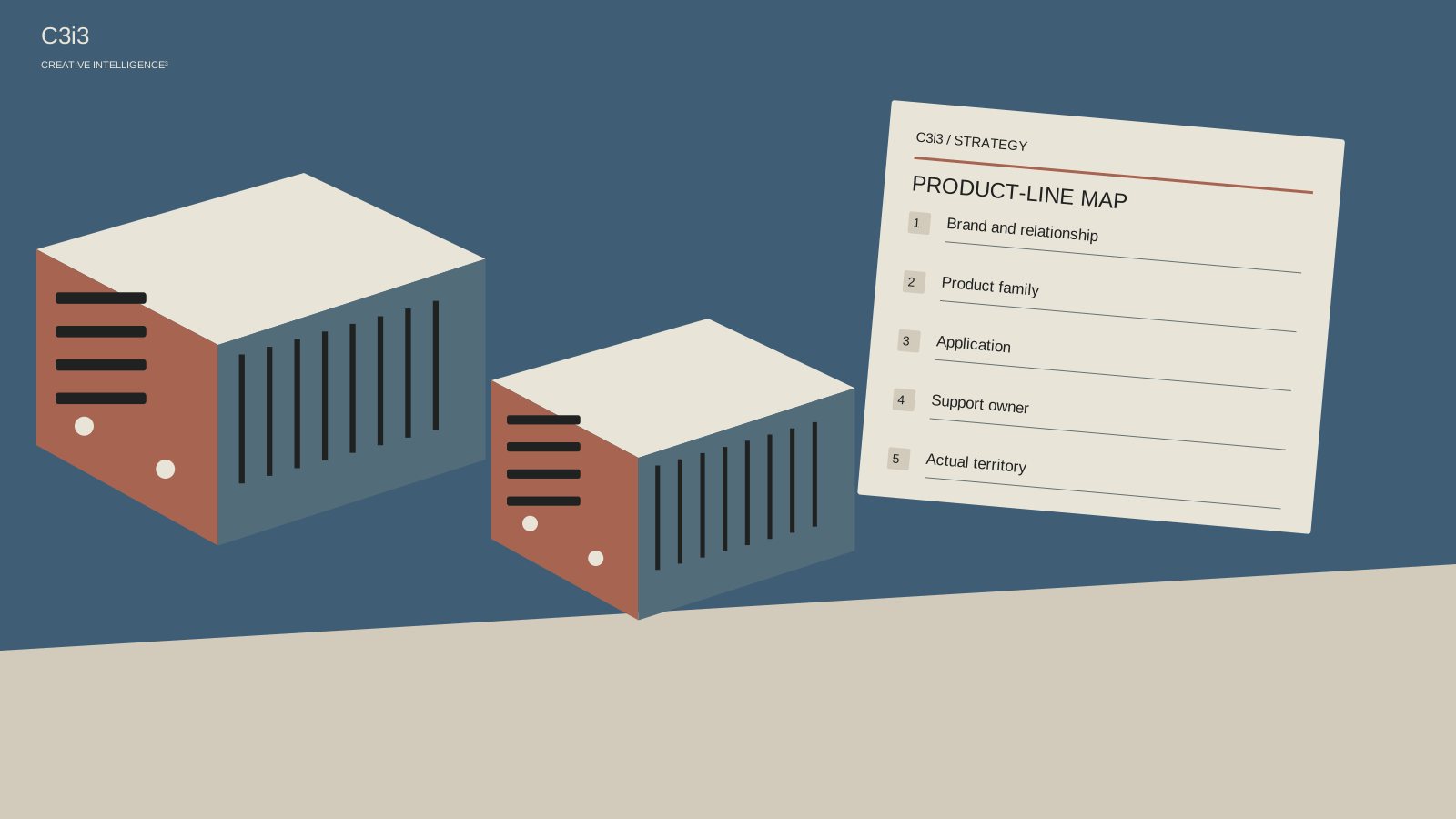
Build a content map with separate fields for brand, family, application and the business’s role. Identify which combinations deserve a public explanation because they answer a real question. Do not generate every possible combination as a page when the content would simply repeat the same paragraph.
| Dimension | What to define | Owner to identify |
|---|---|---|
| Brand | The actual relationship and permitted presentation | Commercial or brand relationship owner |
| Product family | The category and current source records | Product information owner |
| Application | Relevant use context and conditions | Qualified application reviewer |
| Support | What help the business actually provides | Service or technical lead |
| Territory | Where the arrangement applies | Responsible commercial team |
Keep the map useful for maintenance as well as navigation. A change in a brand relationship or product line should trigger review of the affected content and inquiry routing. The structure should make those dependencies visible instead of leaving them scattered across individual pages.
What should buyers learn about the distributor’s own value?
Explain what the business does in the buying process. That may involve relevant product knowledge, application discussion, a defined service or coordination with a manufacturer. Use the actual offer and its conditions. A generic promise of complete solutions can imply more than the organization provides.
Show how a buyer starts the right conversation. Someone who knows a product identifier may need a direct information path; someone with an application question may need specialist discussion. The site should help both without presenting an unreviewed product list as a technical recommendation.
Keep service and product claims distinguishable. A product’s documented capability is not automatically evidence of the distributor’s installation, engineering or support scope. Ask the responsible team to review the full page so the combined presentation does not create a misleading impression about who performs which work.
How should product source information be reused responsibly?
Identify the approved source and the right to use it. Manufacturer material can support accurate information, but the business should understand the terms and review whether the content is current and relevant to its own offer. Avoid assuming every brochure or image can be republished in any context.
Add useful original context where the business has approved knowledge to contribute. Explain how categories relate, what information a buyer needs and which questions require specialist review. Simply copying a large amount of vendor text into separate pages may leave buyers with little help navigating the portfolio.
Keep product conditions and limitations intact. A shorter marketing description should not remove the detail that makes a claim accurate. The technical content source-ledger guide explains how to track claims through drafting and review, including when AI assists with organization.
What should the website and inquiry routes look like?
Offer clear paths by the dimensions the buyer understands: product family, brand or a reviewed application. Link them where the relationship is meaningful. A buyer should not have to infer an internal sales territory or department merely to find a relevant technical contact.
Route requests according to the actual business process. Product information, application support and service inquiries may belong with different people. Confirm who maintains the destinations and what happens when an inquiry spans several lines. A larger organization may need coordinated ownership rather than one generic inbox for every request.
The manufacturing website planning guide provides related page-type and RFQ questions. Use a content model that supports the organization’s real structure, with enough consistency for maintenance and enough distinction to preserve the meaning of each line.
How can local authority coexist with a broad industrial market?
A Bay Area business can establish a clear regional identity while serving customers elsewhere. State the actual locations, territories and delivery arrangements. Do not imply local inventory, on-site service or an office in a city simply because the company wants to attract buyers there.
Use local context where it affects the next step. A buyer requiring an on-site discussion has a different question from someone evaluating a product for another region. Explain those differences without generating near-identical location pages that add no information about coverage or service.
Public resources such as NIST’s Manufacturing Extension Partnership can help readers explore broader manufacturing support. Keep those references separate from the company’s own qualifications and relationships. A resource link should not be presented as an endorsement or a substitute for explaining the offer accurately.
Where does AI belong in a multi-line content workflow?
AI can help organize approved records, identify inconsistent terminology or prepare a draft outline. Its output must remain connected to the correct brand, product and version. A statement accurate for one line may be wrong for another, even when the products share a category name.
Choose a small pilot with clear source boundaries. For example, organize reviewed descriptions for one product family and test whether the draft preserves the conditions. Include similar-looking variants and incomplete records in the test. The workflow should identify missing information rather than borrow a detail from another product.
Use the AI consulting framework to define readiness and review. For larger organizations, involve the people responsible for product information, commercial relationships and the permitted technology workflow. Speed is useful only when the resulting material is accurate and maintainable.
What should an industrial marketing strategy deliver next?
Prioritize a manageable area of the portfolio and the buyer questions it needs to answer. Establish source ownership, improve the relevant navigation and pages, and confirm inquiry routing. Then identify which supporting content or campaigns would add distinct value.
Review the plan with sales, product and service leads. Ask whether a buyer can understand the business’s role and find an appropriate next conversation. Track recurring confusion and qualified inquiry context instead of assuming that a larger number of product pages demonstrates progress.
C3i3’s strategy and content planning services can help organize that work. When selecting a provider, use the industrial and manufacturing agency guide to assess research, technical review, information architecture and a maintainable handoff.
What should you check before the next step?
More questions about industrial marketing strategy.
Should we organize the website only by manufacturer brand?
Choose the paths the intended buyers need. A brand route can be useful, while product-family and application routes may answer different questions. Keep the relationships clear and avoid creating redundant pages for every combination.
Can we claim every manufacturer capability as our own?
No. Describe the business’s actual role and scope. Product performance, engineering services, installation and support responsibilities need accurate attribution and appropriate evidence.
Is more product content always better?
No. Useful coverage depends on accurate sources, clear organization and distinct buyer value. A smaller maintained set can be more useful than a large collection of repeated or outdated vendor descriptions.
What decision does your business need to make next?
Bring us the audience, the business question and the material you already have. We can help define a useful scope and connect the content to the right next action.