



































Graphic Design.

Make the message visible.
Make the composition matter.
Graphic design gives a message a clear visual form across selected digital and print materials. We combine typography, imagery, color, and composition to create original work that fits the purpose and belongs to the brand.
The format changes the design problem. A large poster, a social card, and a presentation slide need different levels of information and viewing distance. We develop the hierarchy around those conditions, then adapt the direction deliberately. The work can combine original illustration, supplied photography, and designed graphics where each has a useful role.
Purpose and format brief
Define the audience, message, viewing context, content, and production requirements.
Original visual direction
Develop a composition and image approach with a clear relationship to the communication goal.
Designed master artwork
Create the agreed layouts with considered typography, color, imagery, and spacing.
Clear deliverables.
Useful decisions.
Your written scope confirms the depth and final format of the work. These are the components we can bring together for graphic design.
- 01Purpose and format brief
Define the audience, message, viewing context, content, and production requirements.
- 02Original visual direction
Develop a composition and image approach with a clear relationship to the communication goal.
- 03Designed master artwork
Create the agreed layouts with considered typography, color, imagery, and spacing.
- 04Relevant format adaptations
Adapt hierarchy and cropping for selected sizes rather than simply stretching the master.
- 05Asset and content checks
Review supplied copy, image quality, permissions, and production inputs within the agreed responsibility.
- 06Production-ready handover
Prepare the defined editable or export files with clear versions and relevant output specifications.
Go deeper where
the decision needs it.
These specialist services develop the work within graphic design. We can combine the relevant parts in one scope or focus on a particular decision.
Campaign Asset Design
Campaign asset design translates an approved message and creative direction into the graphics a campaign needs. We create master artwork and adapt it to selected digital or physical placements while keeping the offer and brand coherent.
Explore campaign asset designPresentation Design
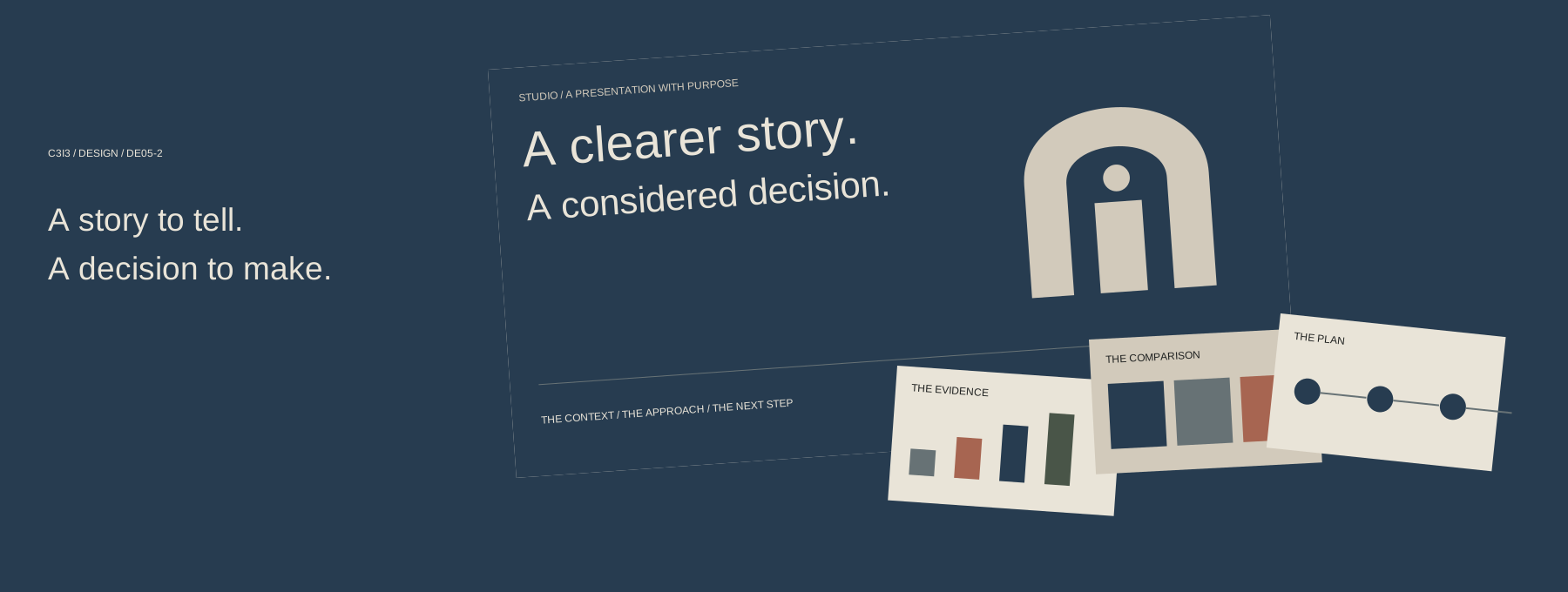
Presentation design turns a business story into a clear sequence of visual slides. We organize the argument, establish a coherent visual language, and design the agreed deck around what the audience needs to understand or decide.
Explore presentation designA clear process.
A practical handover.
The approach follows the user needs, content, technical requirements, and agreed scope. Open each step to see what happens and what it produces.
01Define the communication job.
We clarify what the piece must say, where it will be seen, and which assets are available.
A focused design brief.
02Develop the visual direction.
We explore the relationship between message, typography, image, and composition.
A design route for approval.
03Make and adapt the artwork.
We refine the master and develop the agreed formats with their own hierarchy and crop decisions.
Reviewed artwork and adaptations.
04Prepare the output files.
We organize versions and check the agreed export and production requirements.
A usable final asset package.
The design in practice.
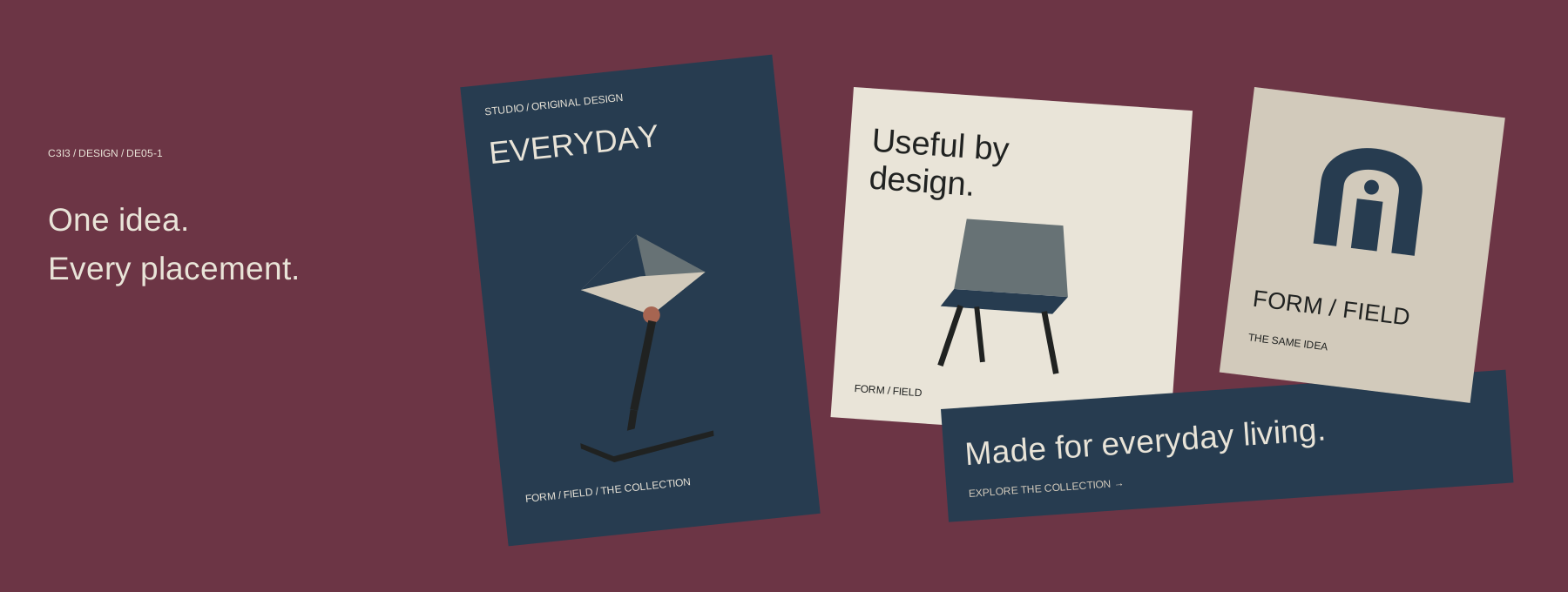
A business launch may need a poster, social card, and presentation cover. A shared image and typographic approach can connect them, while the poster carries fewer words and the slide leaves room for a presenter’s explanation.
| The question or stage | What we examine | Why it matters |
|---|---|---|
| Purpose | The message and viewing context | Give the composition a clear job. |
| Master | Typography, image, and hierarchy | Establish an original visual direction. |
| Adaptation | Format-specific information and crop | Keep the design useful across placements. |
To show how graphic design can support a decision. Your design depends on the users, content, requirements, and constraints in your own brief.
Agree the brief.
Then make the work.
The proposal identifies concepts, formats, quantities, original artwork, review rounds, and file requirements. Copywriting, licensing, printing, distribution, and complex production are separate unless included.
| Before we start | What we agree |
|---|---|
| The decision | The audience, offer, question, and boundaries the work needs to address. |
| The deliverables | Design and implementation scope, format, review rounds, responsibilities, and handover. |
| The investment | Written fees, schedule, dependencies, and any separate third-party or implementation costs. |
We confirm the proposal before work begins. You can commission a focused engagement, connect it to a wider plan, or ask about a separately scoped delivery phase.
Discuss scope and timingUseful questions.
Straightforward answers.
Can you work within our existing brand?
Yes. We use the approved identity and identify any missing rules or assets that affect the work.
Do you create original illustrations?
Original vector or other artwork can be included when relevant to the brief, with its style and production requirements agreed.
Can you design for both print and digital?
Yes. The intended output and production requirements should be defined early because the formats have different needs.
Will you supply editable files?
The handover format is agreed in the proposal, including the role of fonts, linked assets, and any third-party licenses.
Can one design be adapted to several sizes?
Yes. Each adaptation should preserve the message and hierarchy rather than simply crop or stretch the master.
Does graphic design include writing the content?
Copywriting can be included or commissioned separately. Otherwise the design uses approved supplied text and flags gaps.
How do you price this project?
We quote the agreed deliverables, research, complexity, review rounds, and handover or implementation requirements. The proposal identifies the fee, responsibilities, dependencies, and what would require a change of scope.
What should we prepare before we begin?
Bring the business goal, intended users, existing brand and project material, available content, and any platform, budget, or timing constraints. We will identify missing inputs and agree who can approve the work.
Keep the experience
connected.
For a useful planning guide, read whether you need a website, app, or landing page. Or return to all Design services.